
Cat Grooming Brushes
The right brush turns grooming from a battle into a bonding ritual — slickers, deshedders and gloves matched to your cat’s coat to cut shedding and hairballs.
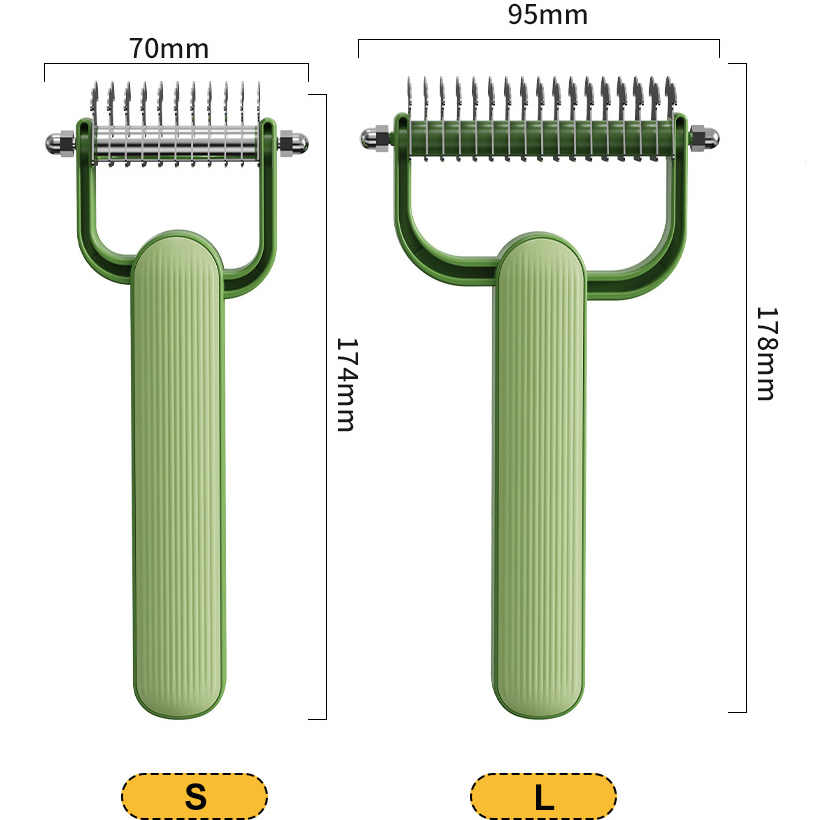
Matching the brush to your cat’s coat
For short-haired cats, a rubber grooming glove or a soft slicker is usually all you need — it lifts loose hair, distributes natural oils and feels like a fuss, which is exactly why nervous cats tolerate it. A fine-toothed comb finishes the job and catches any stray tangles.
Long-haired cats need more: a slicker brush to lift the coat, a deshedding tool to pull dead undercoat from below the surface, and a steel comb to work through the fine, mat-prone areas behind the ears, under the legs and along the trousers. A little every day beats one big session a week.
Beating mats and hairballs
Mats form where the coat moves and rubs, and once they tighten to the skin they pull painfully and can hide sores beneath. Tease the edges loose gently with fingers and a comb; never cut a mat out with scissors, as the skin tents up underneath and is easily nicked — a stubborn mat is a job for a groomer or vet.
Every brushing session removes hair your cat would otherwise swallow while self-grooming, which is the main source of hairballs. Regular brushing is one of the simplest ways to cut down on those unwelcome sick-ups, and pairing it with treats and a calm spot teaches your cat to actively enjoy the routine.
Everything here is chosen to be genuinely useful in everyday life with your pet — quality-checked, fairly priced and shipped tracked across the UK. For any health concern, your vet is always the best first port of call.
Common questions
Which brush is best for a long-haired cat?
A combination works best: a slicker brush to lift the coat, a deshedding tool for the dense undercoat, and a steel comb for the fine, mat-prone areas. Short daily sessions prevent tangles far better than one weekly marathon.
Will brushing reduce hairballs?
It helps a lot. The more loose hair you capture with a brush, the less your cat swallows while self-grooming, which is the main cause of hairballs. Long-haired and heavy-shedding cats benefit most.
How do I deal with a matted coat?
Gently loosen small mats from the edges with your fingers and a comb, and never cut them out with scissors — the skin lifts into the mat and is easily injured. Tight or widespread matting is best left to a professional groomer or your vet.
Free pet welcome kit
Four printable tools, zero cost
The new-pet checklist, a vaccination & worming tracker, a feeding-portion guide and a house-training chart — straight to your inbox, no spam, unsubscribe whenever.